

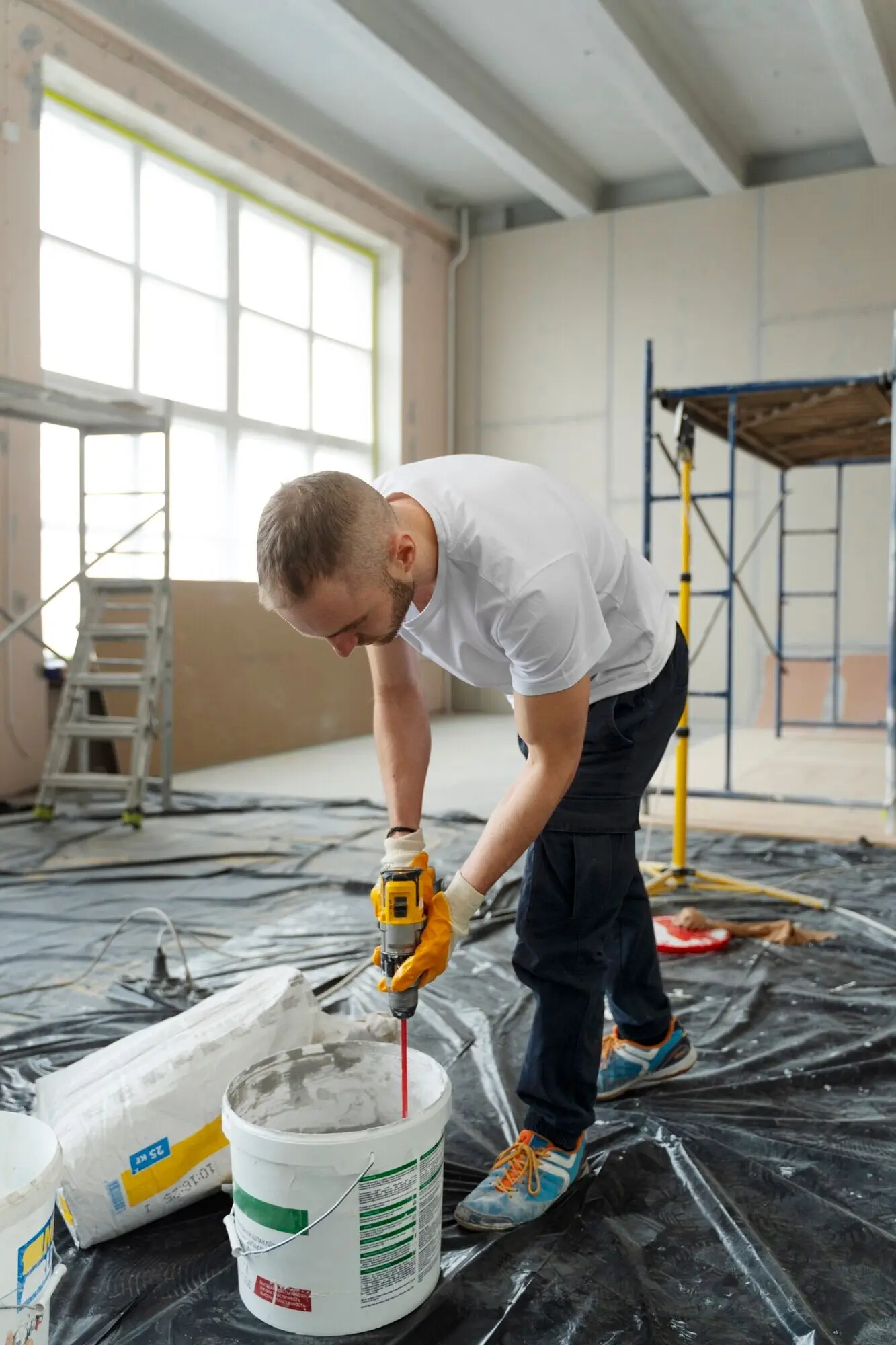
Projects carrying respected health and sustainability credentials often command measurable premiums because they signal superior indoor quality and operational discipline. Brokers leverage recognizable certifications to justify pricing, while purchasers anticipate lower future retrofit costs. Together, these signals can lift valuations and reduce discounting, especially when paired with compelling post-occupancy satisfaction data.
Health-forward amenities, cleaner air, quiet interiors, and verified efficiency stories shorten decision cycles. Prospects feel confidence when they see familiar logos and clear performance narratives. Faster lease-up reduces carrying costs, and resident satisfaction supports renewals, smoothing cash flow. In markets with ample supply, credibility removes friction that marketing alone cannot overcome.
LEED’s energy and water conservation strategies lower utility exposure, while WELL encourages proactive maintenance routines that prevent complaints and costly surprises. Better ventilation, filtration, and moisture control help protect finishes and equipment. Insurers and lenders increasingly recognize these controls, which can improve terms or underwriting confidence in sophisticated multifamily portfolios.

WELL starts with mandatory preconditions that protect essentials like ventilation, filtration, and water quality, then layers optimizations for richer benefits. Teams select strategies that fit the project’s context, budget, and brand. This structure rewards thoughtful choices while ensuring occupants always receive a strong baseline of measurable, health-centric performance.
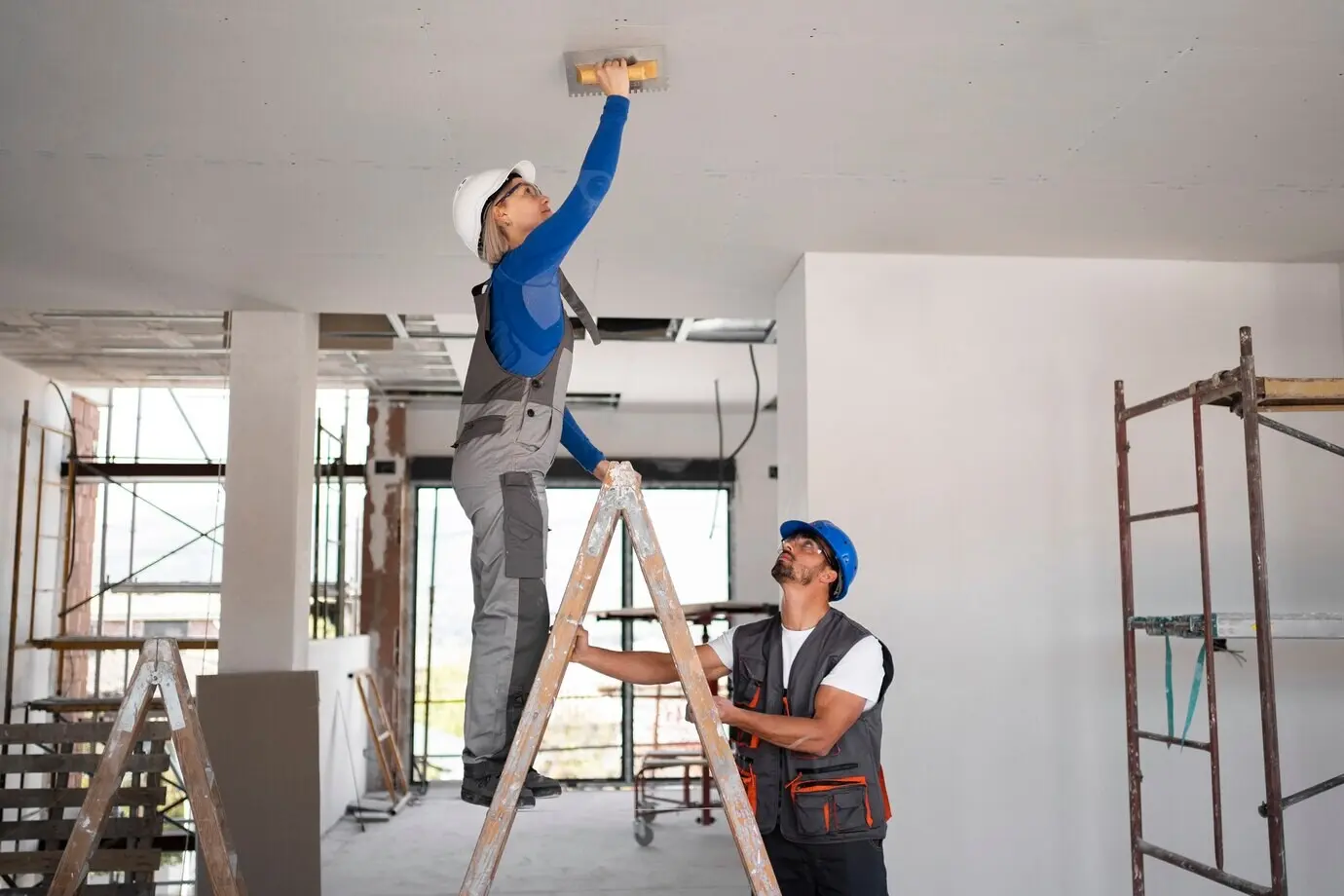
Beyond materials and systems, WELL encourages behavior-supportive environments: calming lighting scenes at night, ergonomic shared spaces, active design for daily movement, and equitable access to nature. Policies reinforce these choices through cleaning protocols, smoke control, pet considerations, and communication, ensuring every resident, guest, and staff member feels consistently supported.

Performance matters. WELL emphasizes verification through measurements like particulate counts, VOCs, water contaminants, acoustic levels, and thermal comfort checks. Post-occupancy feedback loops uncover blind spots, guiding refinements after opening. This mindset converts well-intended design into trustworthy outcomes that residents experience, review online, and celebrate across long-term, repeatable operations.



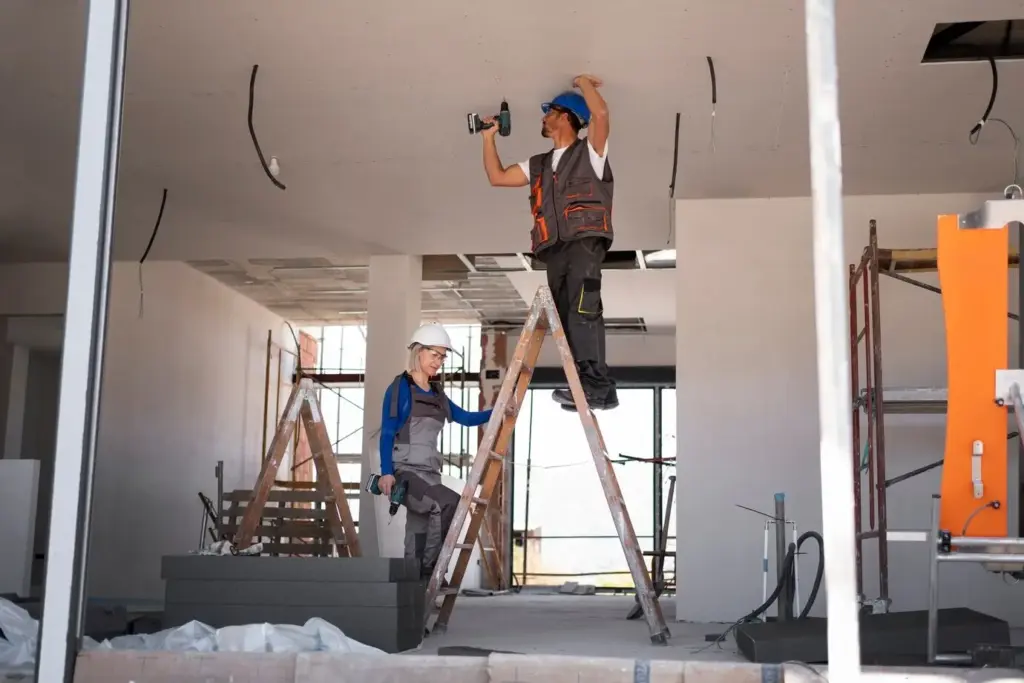


After emphasizing verified air quality, robust sound isolation, and sunrise-friendly lighting scenes, the penthouse tour converted on the first weekend. Prospects noticed the stillness, water clarity, and effortless controls. Transparent certification documentation reinforced confidence, turning curiosity into decisive action without aggressive concessions or extended follow-up cycles.
Six months after opening, reviews consistently praised restful sleep, bright kitchens without glare, and quiet HVAC. Management tracked fewer complaints and quicker service resolutions. WELL and LEED language appeared naturally in resident comments, not as buzzwords, but as lived experiences that strengthened reputation and organic, word-of-mouth demand.
Share your project’s location, unit mix, and challenges in the comments. We will prioritize future guides around your questions, from envelope strategies in humid climates to acoustics near transit. Subscribe for updates, vote on upcoming analyses, and help us spotlight practices that genuinely elevate everyday life.